Cost & timeline2 min read
3 Simple Ways to Cut Your MVP Costs in Half
Proven Tips to Launch Sooner Without Sacrificing Quality

Key takeaways
- The MVP feature list for your first app should include only the features that are required to solve the core problem your app focuses on.
- Before spending a dollar on development, turn your MVP feature list into a clickable mockup.
- Start with a responsive web app that functions seamlessly on both desktop and mobile browsers.
Most MVP budgets blow up because too much is stuffed into the first version of the app. The fastest way to burn time and money is by adding features you and your first users don’t actually need.
The goal is to launch with the smallest, fastest, and most focused version possible without losing the core value.
These are the same methods I use in client projects at Booster Cartel to help founders get live faster and spend less.
1. Ruthless MVP scope
The MVP feature list for your first app should include only the features that are required to solve the core problem your app focuses on.
Write down every feature you want to build into the app, then run it through the MVP Decision Tree.
Does this feature directly solve the main problem?
Would your first 10 users clearly miss it if it were gone?
Is the value added worth the cost to design and develop this feature now?
If you can’t answer ‘yes’ to all 3 of these questions, move the feature to Phase 2.
Replace complex automations with manual processes until you’ve proven there’s real traction. Things like removing a user or refunding a payment can be done in the Bubble Editor or Stripe dashboard.
2. Clickable Prototype
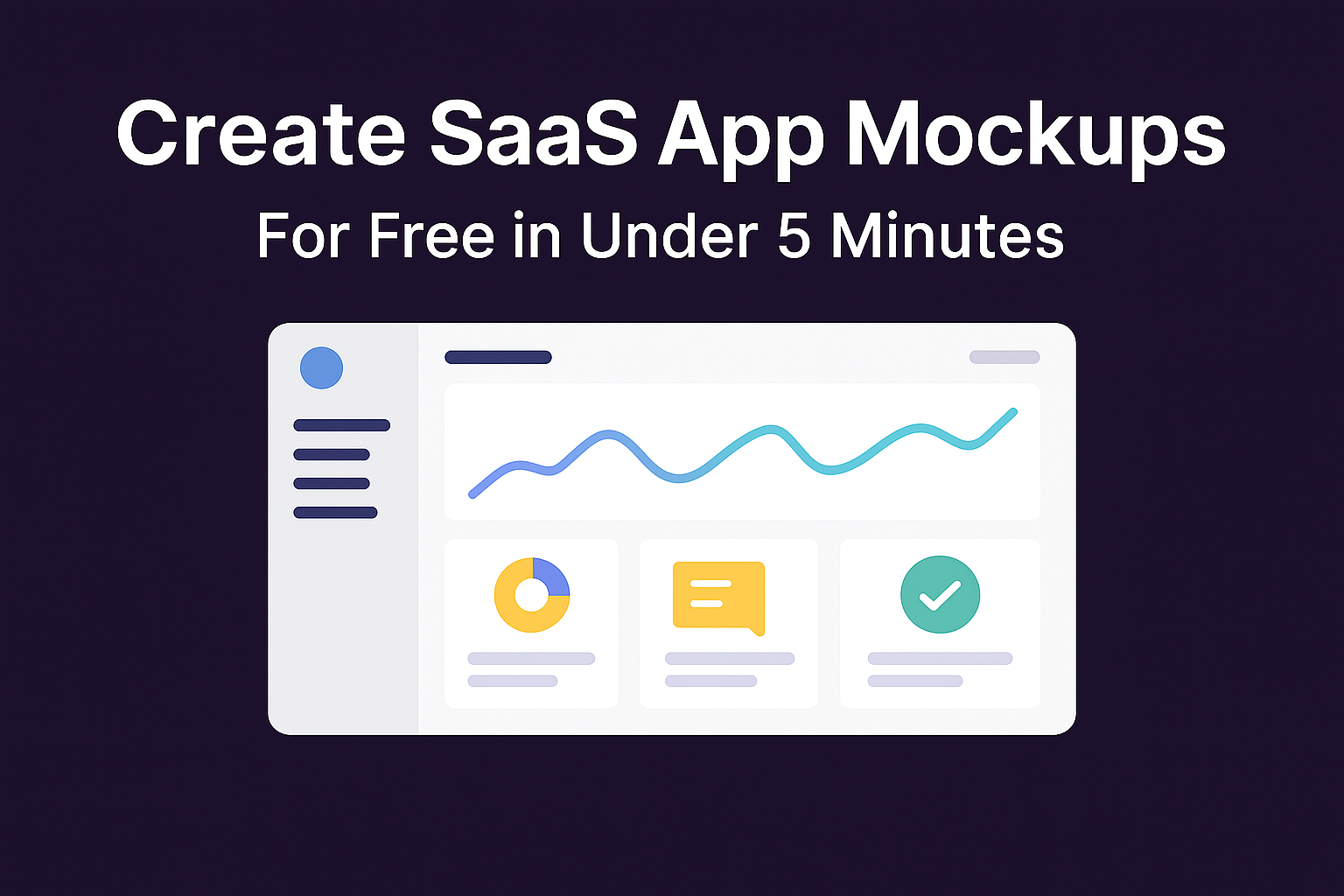
Before spending a dollar on development, turn your MVP feature list into a clickable mockup. Use a tool like v0.dev to create quick layouts, then refine in Figma once you’ve confirmed the flow.
Share the mockup with target users or stakeholders and cut anything they don’t see as essential. Only finalize your design in Figma once the mockup feels clear, complete, and validated.
3. Start with a web app before moving to native mobile
Start with a responsive web app that functions seamlessly on both desktop and mobile browsers. This avoids the added time, cost, and complexity of native mobile builds until you know the core product works.
Once you have active users and real feedback, you can roll out a native version for iOS or Android. By then, you’ll know exactly which features to include and which to skip.
Cutting MVP costs doesn’t mean cutting corners. It means focusing on what matters most so you can launch sooner, learn faster, and avoid wasted effort.
If you want a simple step-by-step process to pick the right app idea and scope it lean from day one, grab my free guide here: https://boostercartel.com/idea-generation-guide
Cheers,
Alex
P.S. Need help deciding on your MVP features? Schedule a call and I will help you build the MVP feature list myself: https://boostercartel.com/strategy